Leadership Coaching & Team Development
Leadership Gets Harder When Behavior Gets in the Way
Most organizations do not struggle because their leaders need more leadership theory. The challenge is that knowing what effective leadership looks like and consistently doing it are two very different things.
A leader may know a performance issue needs to be addressed but continue avoiding the conversation. A senior executive may want people to take greater ownership but step in and take control when the pressure is on. A leadership team may want greater collaboration and alignment but continue revisiting decisions, blurring accountability, or getting caught in the same conflicts.
And some of the most capable people discover, after being promoted, that being excellent at the work is very different from leading the people who do it.
These challenges are not simply skill gaps. Leadership requires people to develop capacities they may not have needed before, while managing the personality patterns and self-protective behaviors that can interfere with how effectively they lead.
Develop the Person Behind the Leadership Behavior
Because behavior has a reason. We don’t simply choose our most persistent patterns. We develop them.
Personality influences how leaders make decisions, exercise authority, communicate, manage conflict, delegate, respond to pressure, and relate to the people they lead.
It also influences what happens when the demands of leadership activate emotional needs or push people beyond the ways of functioning that have made them successful in the past.
That is why my approach to leadership development goes deeper than teaching competencies.
Using the Striving Styles Personality System, I help leaders understand how they are naturally wired, the strengths they instinctively rely on, the needs that influence their behavior, and the patterns that emerge when those strengths are overused or become self-protective.
Once we understand what is driving the behavior, development becomes far more targeted. Instead of trying to become a generically “better leader,” you can focus on the specific capacities that will expand your range and make the greatest difference to your effectiveness.

Leadership Coaching
Close the Gap Between Knowing How You Want to Lead and How You Actually Lead
Leadership coaching should do more than give you a place to reflect. It should help you develop.
My coaching is active, practical, and developmental. We work with the real leadership situations you are facing, identify the behaviors that are limiting your effectiveness, understand what is driving them, and build the capacities you need to respond differently.
Depending on the leader and the role, that may involve strengthening authority, delegation, performance management, conflict capability, emotional regulation, strategic thinking, decision-making, or the ability to achieve results through others.
Development happens through application. New behavior has to be practised where the old pattern is most likely to take over, with feedback, accountability, and continued attention to what is making the change difficult.
The goal is not to change who you are. It is to expand what you are capable of doing as a leader.
Individual Leadership Coaching
Hover
Target Your Development Instead of Working on Everything
Leadership development becomes much more effective when you know what actually needs to change.
Leadership coaching combines personality assessment, developmental insight, and focused coaching to identify the behaviors, blind spots, and underdeveloped capacities affecting your leadership.
Together, we translate that understanding into specific developmental priorities and apply them directly to your role, relationships, and leadership challenges.
Executive & Senior Leader Development
Hover
What Got You Here May Not Be What You Need to Lead at the Next Level
As leadership responsibility increases, success depends less on what you can accomplish personally and more on what you can accomplish through other people and across the organization.
For senior leaders, development often means expanding beyond the strengths that built their careers and developing greater strategic range, organizational perspective, influence, delegation, executive judgment, and the ability to create accountability without taking responsibility back.
The work focuses on the leadership capacities required by the role now, not simply those that made the leader successful in the past.
Emerging & New Leader Development
Hover
Make the Shift From Doing the Work to Leading the People Who Do It
High performers are often promoted because they are knowledgeable, dependable, and good at getting results. Then the job changes.
New leaders must learn to set expectations, delegate, provide feedback, manage performance, make decisions through others, and take responsibility for the team’s effectiveness rather than relying primarily on their own expertise.
Making that transition deliberately helps emerging leaders develop the authority, confidence, self-awareness, and behavioral range they need before ineffective habits become entrenched.
Leadership Team Development
Strong Individuals Don’t Automatically Create Strong Teams.
A leadership team can be filled with intelligent, capable, committed people and still struggle to work effectively together.
Differences in personality type (Striving Styles) affect how people communicate, make decisions, handle disagreement, respond to pressure, and interpret one another’s behavior. But personality type is only part of the picture. Teams also need clarity about purpose, roles, expectations, decision rights, accountability, and what effective performance actually looks like.
My team development work brings those pieces together.
We look at the people on the team, the dynamics between them, and the conditions the team needs in order to perform. This helps team members understand the needs, assumptions, and behavioral patterns influencing how they work together. Team development then applies that understanding to the issues that matter most, whether those involve decision-making, conflict, trust, accountability, communication, leadership, or alignment.
I also help leaders understand where the team is in its development and how their leadership needs to change as the team matures. What a newly formed or unsettled team needs from its leader is different from what a capable, established team requires.
The goal is not simply greater harmony. It is a team that can make decisions, work through differences, hold one another accountable, and perform effectively together.

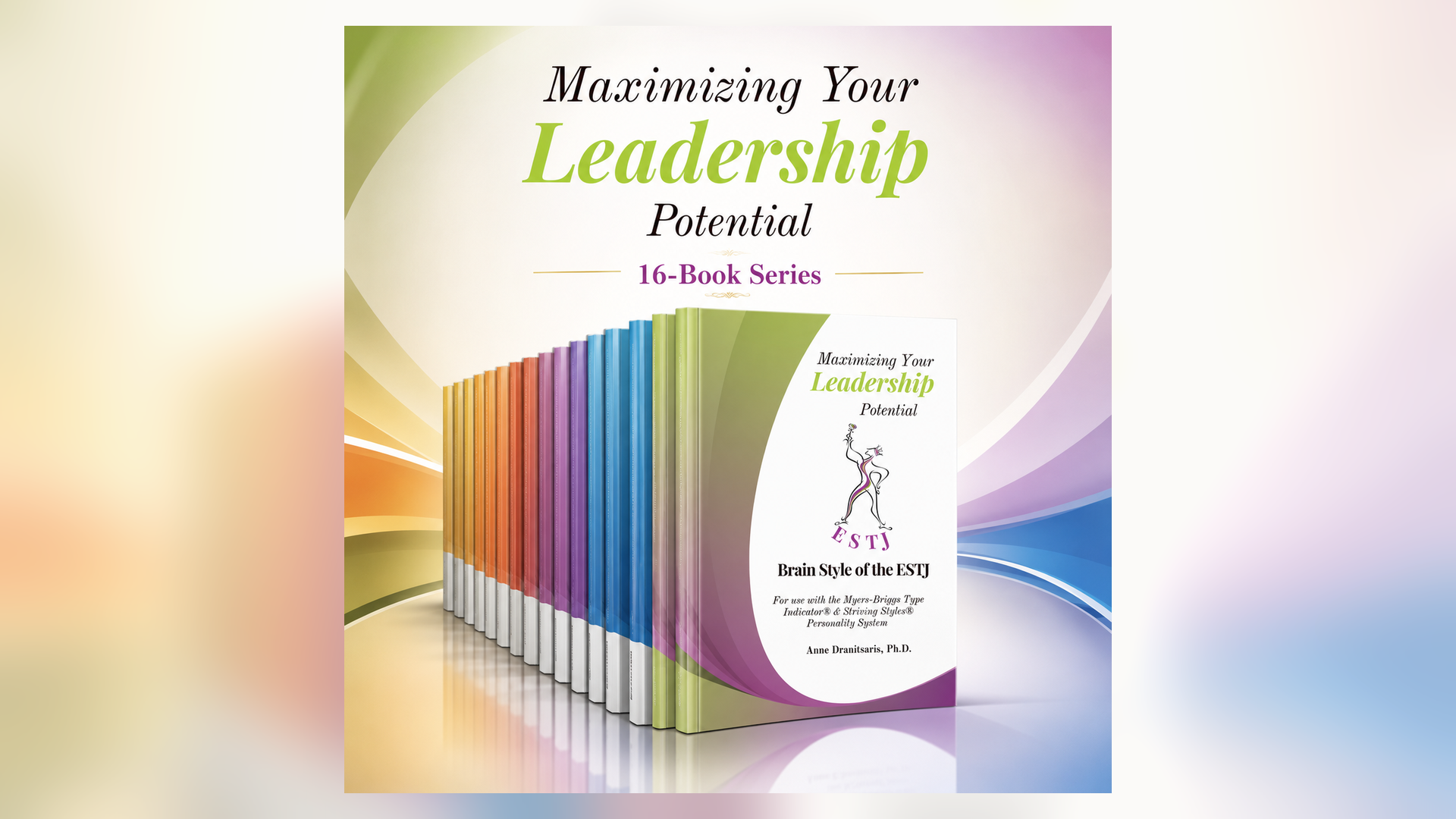
Use the Striving Styles to Target Development
The Striving Styles Personality System gives teams a shared language for understanding their differences, but the real value comes from applying that understanding to what is actually happening on the team. Rather than stopping at personality type, we look at how personality is affecting decision-making, conflict, accountability, communication, leadership, and the patterns that keep creating frustration between people.
The Striving Styles takes that work further by helping us understand what is driving the behavior.
You don’t need to spend months guessing what needs to change or what the issues are. Using the Striving Styles helps you understand what drives the behavior, target what needs to develop and create change where it matters most.