Individual Leadership Coaching
Leadership Coaching That Is Built for Development, Not Just Conversation
My approach to leadership coaching is different because I do not treat coaching as a series of open-ended conversations about whatever happened that week. There is a developmental agenda, a plan, practice between sessions, and accountability for change.
For years, I developed and facilitated Leadership 101 programs that taught leaders the foundational skills, competencies, and behaviors needed to lead people effectively. That experience shaped the way I coach today.
I know that understanding a leadership concept is only the beginning. Leaders need opportunities to apply it, practice it in real situations, see what gets in the way, and keep working at it until the behavior becomes part of how they lead.
Not All Leadership Coaches are the Same
I am not a coach who comes to leadership development with a generic coaching model and a collection of questions. I have spent my career studying, designing, teaching, writing about, and co fvaching leadership development.
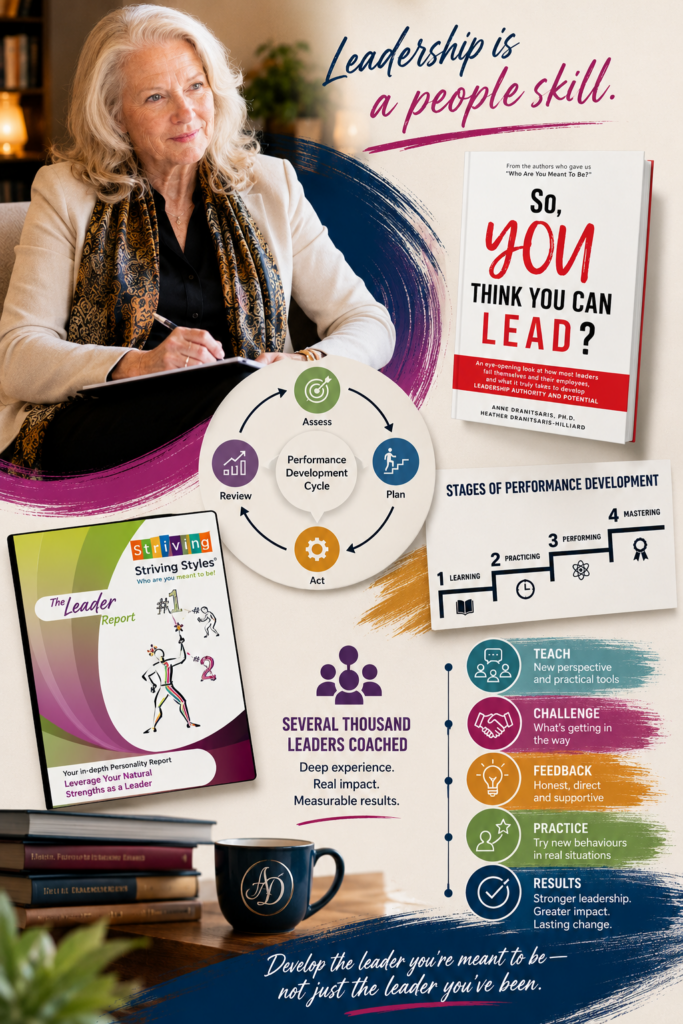
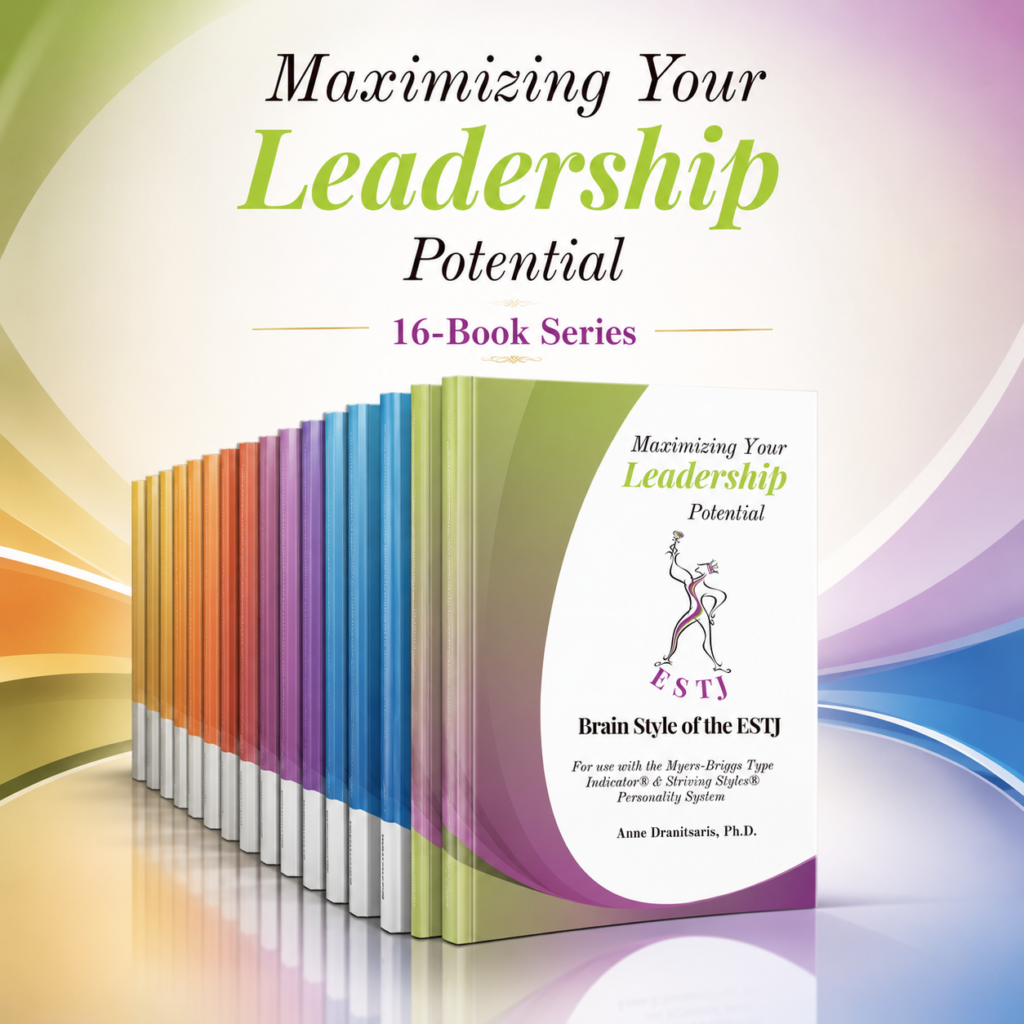
I wrote So, You Think You Can Lead?, A Guide to Developing Your Leadership Authority and Potential, created the Performance Development Cycle and Four Leadership Approaches, and authored 16 books on individual leadership styles based on the MBTI and Striving Styles that show how personality type influences the way different leaders communicate, motivate, delegate, make decisions, develop people, and respond under pressure.
I have also coached several thousand leaders throughout my career. That depth of experience means I can quickly recognize what is happening beneath a leadership challenge, connect it to the leader’s personality and stage of development, and identify what needs to change.
That depth allows me to recognize patterns quickly, identify what is getting in the way, and know when a leader needs insight, teaching, practice, challenge, correction, or direct feedback.
Coaching Starts With a Clear Development Roadmap
I am not trying to turn you into somebody else’s idea of a good leader. I start by understanding how you are naturally wired to lead, then identify the capacities you need to develop to become more effective.
The coaching process begins by understanding both the leader and the demands of the role. Personality assessment, particularly the MBTI and Striving Styles Personality System, helps identify natural strengths, preferred ways of thinking and deciding, emotional needs, predictable blind spots, and behaviors that can become overused under pressure.
From there, we build a focused development plan around the leadership capabilities that will make the greatest difference. The plan is dynamic. As new challenges emerge and capabilities strengthen, we adjust the focus rather than continuing to work from a static list of goals.
Coaching that Continues Between Sessions
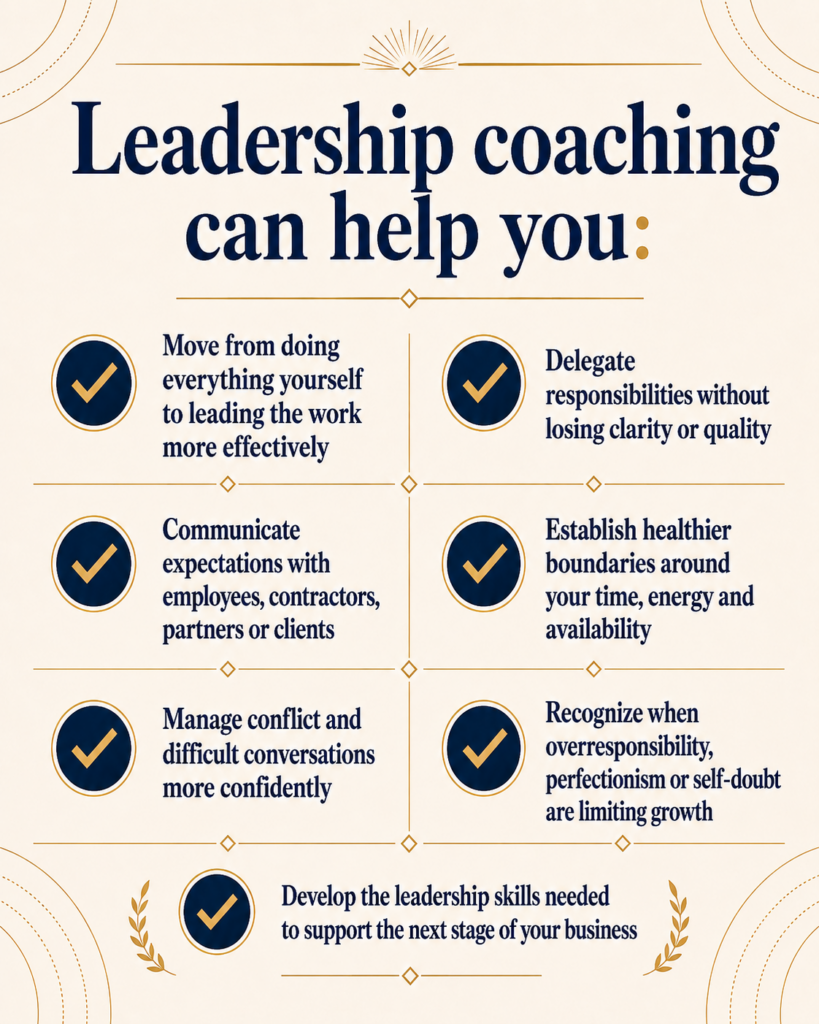
Change does not happen during the coaching hour. It happens when a leader returns to the real world and has to handle the difficult conversation, delegate instead of taking over, hold someone accountable, make an unpopular decision, or stay steady when the pressure rises.
That is why my coaching is active, practical, and developmental. Leaders leave each session with specific actions, behavioral experiments, reflection questions, or homework to apply in their actual work. When we meet again, we look at what happened. What worked? Where did the old pattern take over? What did they avoid? What needs to be adjusted? Then we decide what they need to practice next.
I don’t believe coaching means sitting back and assuming the leader already has every answer, as some other coaching approaches do. I believe leadership coaching should be as dynamic as coaching in any sport. A leader may understand what they are supposed to do, but that does not mean they can consistently do it. They need someone who can see the pattern, identify what they are missing, challenge ineffective behavior, provide direct feedback and correction, and help them build a more effective response.
The goal is not a leader who understands leadership better. It is a leader who can actually lead better.
Your Leadership Style Is Shaped by More Than Skill
You can learn the models, read the books, and know what good leadership is supposed to look like, but that does not mean every leadership behavior will come naturally to you.
Your personality type influences how you lead every day. It shapes what you notice, how you make decisions, how quickly you move, how you respond to disagreement, what you expect from employees, and which parts of leadership feel instinctive versus uncomfortable.
That matters because your greatest strengths can become your biggest liabilities when you are under pressure.
– The decisive leader becomes controlling.
– The responsible leader takes on too much and stops developing others.
– The empathetic leader avoids holding people accountable.
– The independent leader stops involving the team.
– The confident thinker stops listening.
– The harmony-seeking leader avoids the conflict that needs to happen.
This is why I do not coach leadership behavior in isolation.
I use the MBTI and Striving Styles Personality System to show you what is driving the way you lead, where your natural style is helping you, where it is getting in your way, and which leadership capacities you need to develop next.
You are not being asked to become a different kind of person or imitate someone else’s leadership style. You learn to maximize your leadership potential by using your natural strengths more effectively, stopping overusing the behaviors that limit you, and developing the parts of leadership that don’t yet come naturally.
That is what makes leadership development personal, practical, and sustainable.