How instant approval, fear of rejection, and the internet-as-judge keep you performing for acceptance instead of developing your authentic self.
Before we post the photograph, share the thought, write the comment, or put another piece of our life online, many of us pause.
We don’t simply ask, “Is this what I want to say?” We ask, “How will this be received?” Beneath that question is often a deeper one: “Will I be approved of, ignored, misunderstood, judged, or rejected?”
This is one of the hidden psychological realities of social media. The internet has become more than a place where we communicate. For many people, it has become an externalized superego, a judging authority that appears to know what is acceptable, admirable, shameful, relevant, attractive, intelligent, successful, or worthy of attention.
It approves. It rejects. It compares. It measures.
Because the judgment is public, immediate, and visible through likes, comments, shares, silence, criticism, and unfollows, we begin adapting ourselves to it. We start shaping what we say, how we look, what we reveal, and what we hide according to how we imagine we will be received.
This is where our anxiety gets activated, and our online persona begins to take over.
We Take Our Attachment Patterns Online
Long before social media, we learned how to adapt ourselves to the people around us. In our families, relationships, schools, workplaces, and communities, we discovered which parts of us were welcomed and which parts seemed to create disapproval, conflict, rejection, or shame.
When attachment was secure enough, we had more room to develop a stable sense of self. We could feel connected without constantly monitoring whether we were acceptable. We could make mistakes, express needs, tolerate disappointment, and recover from relational tension without losing ourselves.
When attachment was insecure or anxious, we often learned something different. We learned to scan for signs of approval or disapproval. We became sensitive to changes in tone, silence, rejection, criticism, and emotional distance. We began organizing ourselves around the reactions of others.
That pattern doesn’t disappear when we go online. We take it with us.
Social media can become a perfect environment for anxious attachment because it offers endless signs to interpret. Who liked the post? Who didn’t? Why did that person view the story but not respond? Why did one post get attention while another was ignored? Why did someone else receive praise, recognition, or visibility while we did not?
The anxious attachment system looks for evidence of whether we are safe, wanted, valued, and accepted. Online, that search becomes constant.
What appears to be simple posting, scrolling, or checking can become an ongoing attempt to regulate insecurity.
How the Adaptive Persona Moves Online
The adaptive persona is the self we learned to create in order to feel safe, valued, needed, admired, accepted, or in control. It is not completely false. It is often built from real strengths and qualities. The problem is that these qualities become organized around self-protection rather than authentic development.
We may have become pleasing, capable, funny, successful, agreeable, strong, impressive, needed, smart, resilient, or emotionally contained because those were the versions of ourselves that helped us manage our anxiety and influence the reactions of others.
These personas helped us survive emotionally. They helped us manage the fear of rejection, abandonment, criticism, or disapproval. They helped us function in environments where our authentic self did not feel safe enough or developed enough to lead.
Social media gives the adaptive persona a much larger stage.
Now we can edit the image, polish the words, select the moment, manage the impression, and monitor the reaction. We can create an online self that looks confident, desirable, intelligent, socially aware, emotionally evolved, productive, successful, spiritual, kind, interesting, or completely authentic.
With artificial intelligence, filters, editing tools, and endless examples of how other people present themselves, we can refine the persona even further. We can make ourselves appear more polished, more successful, more emotionally mature, more attractive, more insightful, and more fully developed than we actually feel inside.
Yet the more energy we put into maintaining this persona, the more we can lose contact with the self beneath it.
Developmental Delay and the Search for Approval
When we are stuck in a developmental delay, we are more likely to look outside ourselves for the recognition, validation, and approval we didn’t fully internalize earlier in life.
This is not a conscious choice. It is an adaptive pattern.
If we didn’t develop a strong enough sense of inner worth, emotional security, self-recognition, and internal authority, we may continue seeking these experiences from others. Social media can become especially powerful because it offers immediate feedback. A like, comment, share, or positive reaction can feel like evidence that we matter, that we are seen, and that we are acceptable.
The problem is that online approval doesn’t develop the authentic self. More often, it strengthens the adaptive persona.
Instead of asking, “Who am I becoming?” we begin asking, “Who do I need to be to be accepted?”
This is where the developmental delay continues. We keep investing energy in the image, identity, and presentation that seem most likely to receive approval. We may become more polished, more strategic, more visible, more pleasing, or more impressive, but not necessarily more developed.
The need for recognition remains unmet at a deeper level because we try to satisfy it through performance. We keep becoming the person we think others will approve of rather than strengthening the capacities that allow us to recognize, value, and express who we truly are.
Living From the Outside In
When the internet becomes the judge, and the persona becomes the performance, we begin living from the outside in.
A meal becomes something to photograph before it is tasted. A holiday becomes something to present before it is fully experienced. An achievement becomes evidence that we are progressing. A struggle becomes material for a lesson.
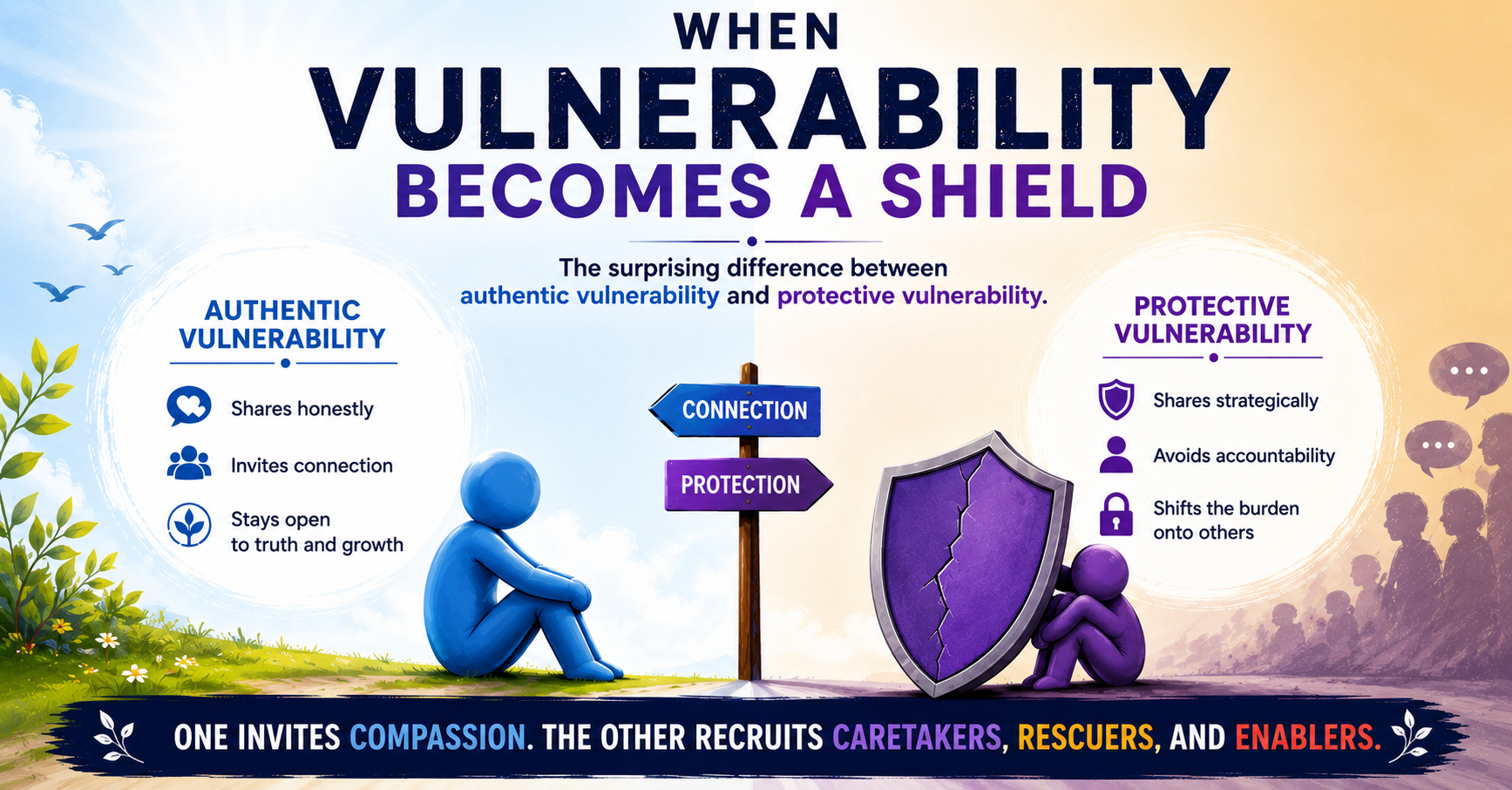
Even vulnerability can become part of the performance when we share only the parts of ourselves that will still make us appear brave, wise, relatable, or inspiring.
This doesn’t mean people are being dishonest. It means the persona is doing what it was designed to do. It is organizing the self around approval and protection.
The internet-as-superego tells us what deserves approval. The adaptive social persona tries to become the version of ourselves most likely to receive it.
That is why social media can be so emotionally consuming. We aren’t only posting content. We often present a version of ourselves and wait to see whether it will be accepted.
Waiting for the Verdict
When people respond positively, we may feel a brief sense of relief. When they ignore us, we may feel embarrassed, invisible, or unimportant. When they criticize us, we may feel hurt, shamed, or diminished.
The rational brain may know that online reactions are shaped by algorithms, timing, and other people’s projections, but the emotional brain can still experience the response as a verdict.
The more identified we become with our online persona, the more threatening judgment feels.
If we are known as successful, we may hide uncertainty. If we are known as wise, we may avoid admitting confusion. If we are known as happy, we may conceal loneliness. If we are known as strong, we may struggle to ask for help. If we are known as authentic, we may feel pressure to keep proving how real we are.
The persona begins as a means of gaining approval, but it can eventually become a trap.
It limits what we allow ourselves to feel, say, need, question, or become.
Performing Growth Instead of Developing
This is one of the greatest costs of living through an adaptive online persona. We can spend so much energy on being perceived that we have little left for development.
We may post about boundaries while still avoiding the discomfort of setting them. We may talk about self-worth while depending on the audience to reassure us. We may share language about healing while continuing to organize our lives around approval, comparison, and fear of judgment.
The internet allows us to display the image of development without necessarily doing the developmental work.
We can look self-aware without being able to regulate our emotions. We can appear confident while still depending on external validation. We can talk about authenticity while continuing to shape ourselves around what will be admired, approved of, or accepted.
The persona becomes more polished while the authentic self remains underdeveloped.
How the Authentic Self Develops
The authentic self develops differently.
It doesn’t grow through performance. It develops through self-awareness, emotional honesty, reflection, accountability, and the willingness to stay present with ourselves when we feel uncertain, unseen, criticized, or uncomfortable.
Much of this work is private. It doesn’t always photograph well. It may not produce immediate validation. It may look ordinary from the outside, yet it is the foundation of real psychological growth.
The authentic self strengthens when we can ask, “What am I feeling?” before asking, “How do I look?” It develops when we can recognize whether we are sharing from truth or seeking validation through approval. It grows when we can tolerate being misunderstood without conforming, defending, collapsing, or reshaping ourselves to become acceptable again.
This is where development resumes. We begin strengthening the inner capacities that allow us to know ourselves, regulate ourselves, value ourselves, and choose how we want to show up without making the audience the final authority.
Using Social Media Without Losing Yourself
This doesn’t mean we have to abandon social media. We can share our work, ideas, photographs, stories, and experiences. We can use the internet to connect, teach, express, create, and contribute.
The difference is that we stop treating the internet as the final judge of who we are.
We stop giving the audience the power to decide our worth.
We stop pouring our emotional energy into maintaining an adaptive persona and begin redirecting that energy toward developing the capacities of the Authentic Self.
Because the life we curate online is not the same as the life we are here to live.
And the self we perform for approval is not the same as the self we are meant to become.
Begin Turning Your Energy Back Toward Yourself
Notice where your online persona has become a substitute for your authentic self. Notice how much time you spend perfecting a post, a sentence and selecting a picture on social media. What are you trying to prove, protect, or receive through the version of yourself you present to others? Where are you seeking recognition online because the deeper need for self-recognition, emotional security, and inner worth has not yet been fully developed?
You don’t need to disappear from social media. You can begin by becoming more aware of the adaptive patterns that shape how you show up online and in your relationships.
My books, assessments, and therapeutic coaching can help you understand the persona you have developed, recognize the emotional rules driving it, and begin strengthening the authentic self beneath it.
Explore my work at annedranitsaris.com and take the next step toward becoming who you are meant to be.